

Your packaging hits the shelf before your product does. If it’s crushed, damp, or forgettable the sale is already lost.
Brands switching from cardboard to custom tin boxes report fewer damaged shipments, stronger shelf presence, and one unexpected bonus: customers keep the box. Cardboard goes in the trash. Tin goes on the kitchen counter, the desk, the bathroom shelf carrying your logo everywhere it lands.
The short answer: Tin boxes outperform cardboard in moisture resistance, structural durability, print quality, and customer reuse rate making them the smarter long-term investment for any product brand.
Here’s exactly why.
1. Moisture Resistance – Where Cardboard Fails First
Cardboard and humidity are enemies. Refrigeration, transit sweat, warehouse moisture any of these compromises your cardboard box before the customer even touches it.
Tin boxes are made from tinplate steel at 0.21–0.35mm gauge. Moisture doesn’t penetrate. Your cookies stay crisp, your candle stays intact, your cosmetic product arrives exactly as packed.
| Factor | Tin Box | Cardboard |
|---|---|---|
| Moisture Resistance | ✅ Excellent | ❌ Poor |
| Refrigeration Safe | ✅ Yes | ❌ No |
| Transit Damage Risk | ✅ Very Low | ❌ High |
For food brands, bakeries, and candle companies moisture damage isn’t just a packaging problem. It’s a refund, a bad review, and a lost repeat customer.
2. Durability – Shipping, Stacking, Dropping
Cardboard corners crush. Cardboard edges dent. In courier handling, a cardboard box that leaves your facility perfect can arrive at the customer’s door looking like it lost a fight.
Tin holds its shape. Stack 20 units in a warehouse tin boxes at the bottom carry the load. Drop a tin box during packing it survives. The same scenario with cardboard ends differently.
For brands ordering 50–500 units wholesale, damaged packaging on arrival means reorders, refund requests, and lost customer trust. Tin eliminates that cost entirely.
3. Print Quality & Brand Perception – The Shelf Moment
This is where tin creates a gap cardboard simply cannot close.
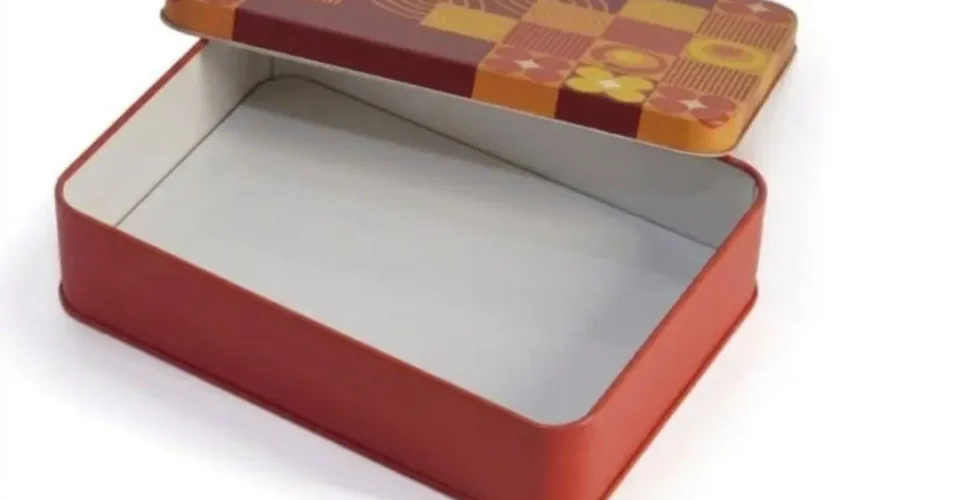
Offset lithography on tinplate produces photo-quality, full-color prints with a sharpness and depth that cardboard printing cannot replicate. Add embossing, matte coating, spot UV, or metallic foil and your tin box becomes a premium object, not just a container.
Customers pick up tin boxes. The weight, the finish, the tactile feel it signals quality before the lid is even opened. That moment on the shelf is worth more than any ad spend.
Urgent Custom Boxes offers 360-degree full-surface printing on all custom tin styles round, square, hinged lid, sliding drawer with offset lithography, screen printing, and digital printing available across all order sizes.
4. The Reuse Factor – Free Marketing After the Sale
Here’s what no cardboard box has ever done: stayed in a customer’s home for months, carrying your brand logo into their daily life.
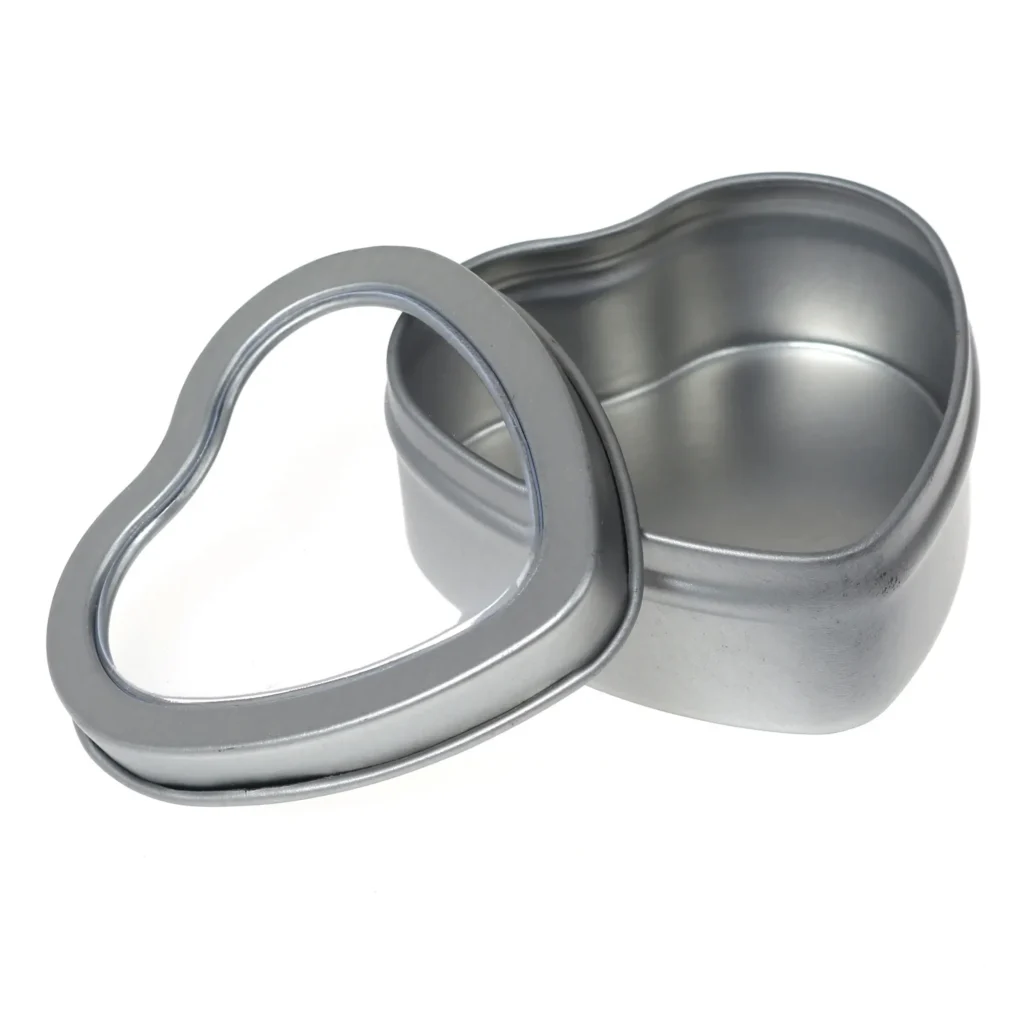
Tin boxes get reused. Kitchen storage. Desk organizer. Gift rewrapping. Jewelry holder. Every reuse is a free brand impression something no cardboard box has ever delivered.
Tinplate also carries a 90%+ global recycling rate, higher than plastic, glass, and cardboard. For brands that want to make a genuine sustainability claim, tin packaging backs it up with real numbers.
5. Full Comparison – Tin vs Cardboard vs Plastic vs Rigid Box
| Feature | Tin Box | Cardboard | Plastic | Rigid Box |
|---|---|---|---|---|
| Moisture Resistance | ✅ Excellent | ❌ Poor | ✅ Excellent | ❌ Poor |
| Durability | ✅ Excellent | ⚠️ Moderate | ⚠️ Good | ⚠️ Good |
| Premium Perception | ✅ Very High | ⚠️ Moderate | ❌ Low | ✅ High |
| Recyclability | ✅ 90%+ | ⚠️ 70–80% | ❌ Low | ⚠️ Moderate |
| Customer Reuse | ✅ Very High | ❌ Very Low | ❌ Low | ❌ Low |
| Food Safe Option | ✅ FDA Compliant | ⚠️ Limited | ⚠️ Limited | ❌ No |
| MOQ Flexibility | ✅ From 50 units | ✅ Low | ⚠️ Medium | ⚠️ Higher |
6. When Cardboard Still Makes Sense (Honest Answer)
Tin is not always the answer. High-volume, low-margin products where single-use is expected and premium perception is irrelevant cardboard works fine there.
But for any brand where the unboxing moment matters, where the product needs moisture protection, or where repeat purchases depend on brand recall tin wins every time.
FAQs
Are tin boxes more expensive than cardboard?
Per unit cost is slightly higher. But when you factor in damage reduction, customer reuse, and brand recall the long-term ROI favors tin significantly.
Can I order custom tin boxes with my logo in small quantities?
Yes. Standard mold sizes start at 50 units with full logo printing, embossing, and finish options available.
Yes. Standard mold sizes start at 50 units with full logo printing, embossing, and finish options available.
Are tin boxes food safe?
Yes all food-contact tins use food-grade tinplate with an FDA-compliant lacquer interior coating that prevents any metal-to-food interaction.
What printing options are available on tin boxes?
Offset lithography, screen printing, and digital printing with finishes including matte, gloss, embossing, spot UV, and metallic foil.
The Bottom Line
Your packaging is the first physical touchpoint your customer has with your brand. Cardboard communicates convenience. Tin communicates quality, permanence, and care.
For bakeries, candle brands, gift retailers, cosmetic companies, cannabis brands, and tea and coffee producers custom tin boxes don’t just protect your product. They sell it.
Explore custom tin box styles, get a free design proof, and request your wholesale quote at Urgent Custom Boxes →