



Nylon Layer
Nylon Layer in Custom Mylar Bags – The Mid-Laminate Film That Stops Punctures, Flex Cracks, and Fill Stress
There is a version of a Mylar bag that looks correct on paper – right dimensions, right print, right barrier specs – but still fails in the field. The seal holds. The aluminum layer is there. The PET outer surface looks clean. But somewhere between your fill line and your customers’ hands, the bag develops a pinhole, a flex crack, or a stress fracture along a panel edge – and the barrier you paid for stops working.
In most cases, that failure has one root cause. The laminate stack was not built for what the product and the supply chain were actually putting it through. And the layer that prevents that failure — the layer that absorbs physical stress before it reaches the aluminum core — is nylon.
Not every Mylar bag needs a nylon mid-laminating layer. But for specific product categories, fill weights, and distribution environments, leaving it out is a specification mistake that shows up in customer complaints, returned product, and freshness failures that are difficult to trace back to their real source.
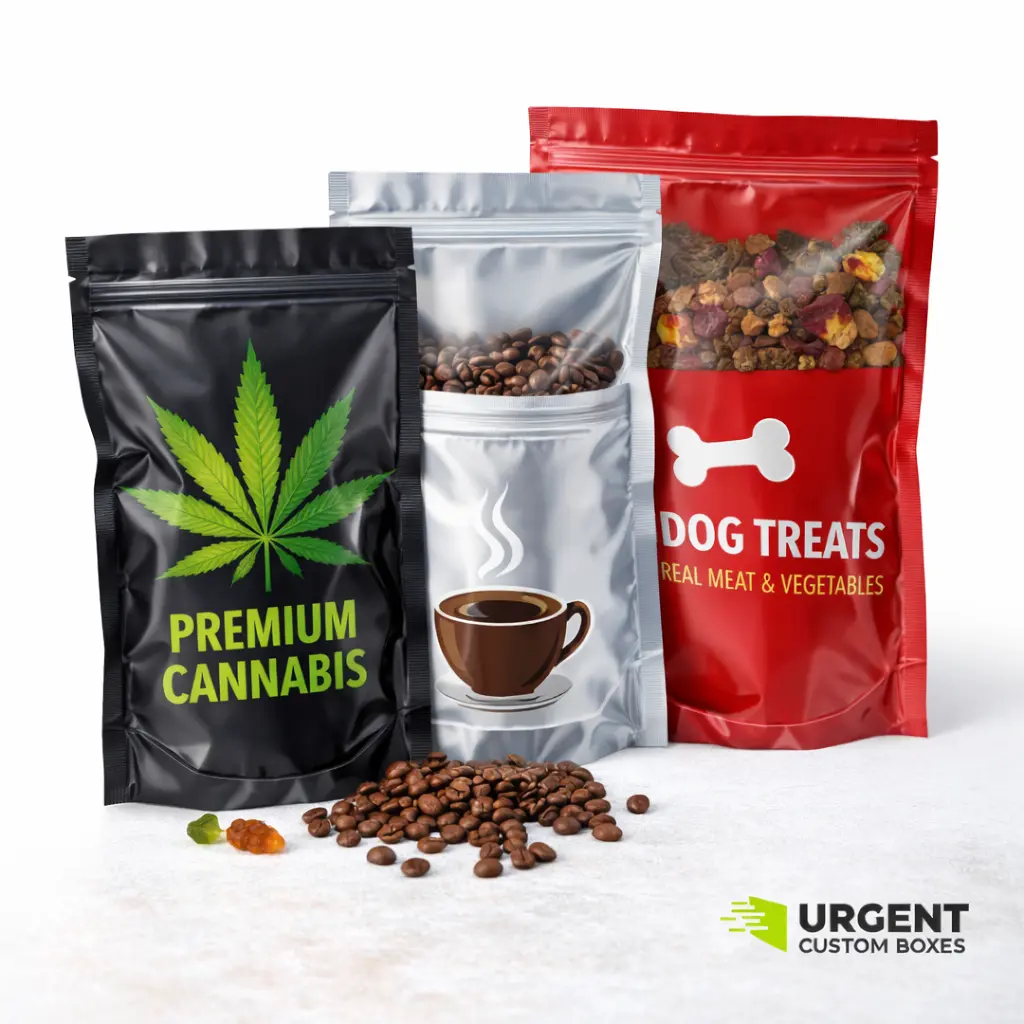
What Nylon Is in a Packaging Context
Nylon in flexible packaging is not the fabric material most people picture. It is a polyamide film – a polymer structure with an unusually high tolerance for physical stress, temperature variation, and repeated mechanical flex. Those properties are what make it valuable as a mid-laminate layer in high-performance pouches.
The two most common polyamide grades used in flexible packaging are Nylon 6 and Nylon 6,6. Nylon 6 is more widely used in pouch construction – it offers strong puncture resistance, good flex crack performance, and consistent lamination bonding with both aluminum foil and outer print films. Nylon 6,6 runs at higher performance levels across temperature resistance and tensile strength, and is typically specified for industrial or demanding cold chain applications where Nylon 6 reaches its limits.
In a standard three-layer Mylar bag – PET outer, aluminum core, PE inner – the structure handles most retail and DTC applications without issue. When you add a nylon layer, it typically sits between the outer print film and the aluminum barrier core, acting as a physical buffer between the surface that takes handling stress and the layer that cannot afford to be compromised.
What the Nylon Layer Does That Nothing Else in the Stack Does
Puncture resistance: Cannabis flower has stems. Jerky has sharp edges. Whole coffee beans put concentrated point pressure on bag panels. Dry botanicals, pet treats, and industrial powders all create physical stress on the inner surface of the bag during filling and transit. The aluminum foil layer is an excellent barrier material — but it is not designed to absorb puncture force. A thin aluminum foil layer that gets pierced loses its barrier properties completely at that point. Nylon absorbs that force before it reaches aluminum, keeping the barrier intact.
Flex crack resistance: Every time a bag gets picked up, squeezed, dropped, or repositioned during shipping, the laminate structure flexes. Most films handle occasional flex without issue. Products that go through high-handling distribution – DTC shipping, dispensary restocking, retail repositioning – put the laminate through hundreds of flex cycles between production and opening. Aluminum foil is vulnerable to flex cracking under repeated stress. A hairline crack in the aluminum layer creates a direct transmission path for oxygen and moisture – invisible from the outside, but actively degrading your product from the moment it forms. Nylon mid-laminate distributes that flex stress across a more resilient film layer, protecting the aluminum from the mechanical fatigue that causes cracking.
Thermal stability: Nylon handles temperature swings that push other films to their performance limits. For products moving through cold chain distribution, or bags sitting in delivery vehicles through summer heat cycles, nylon maintains its structural integrity where standard PET or BOPP outer films can become brittle or lose dimensional stability.
Nylon Layer Performance Across Product Categories
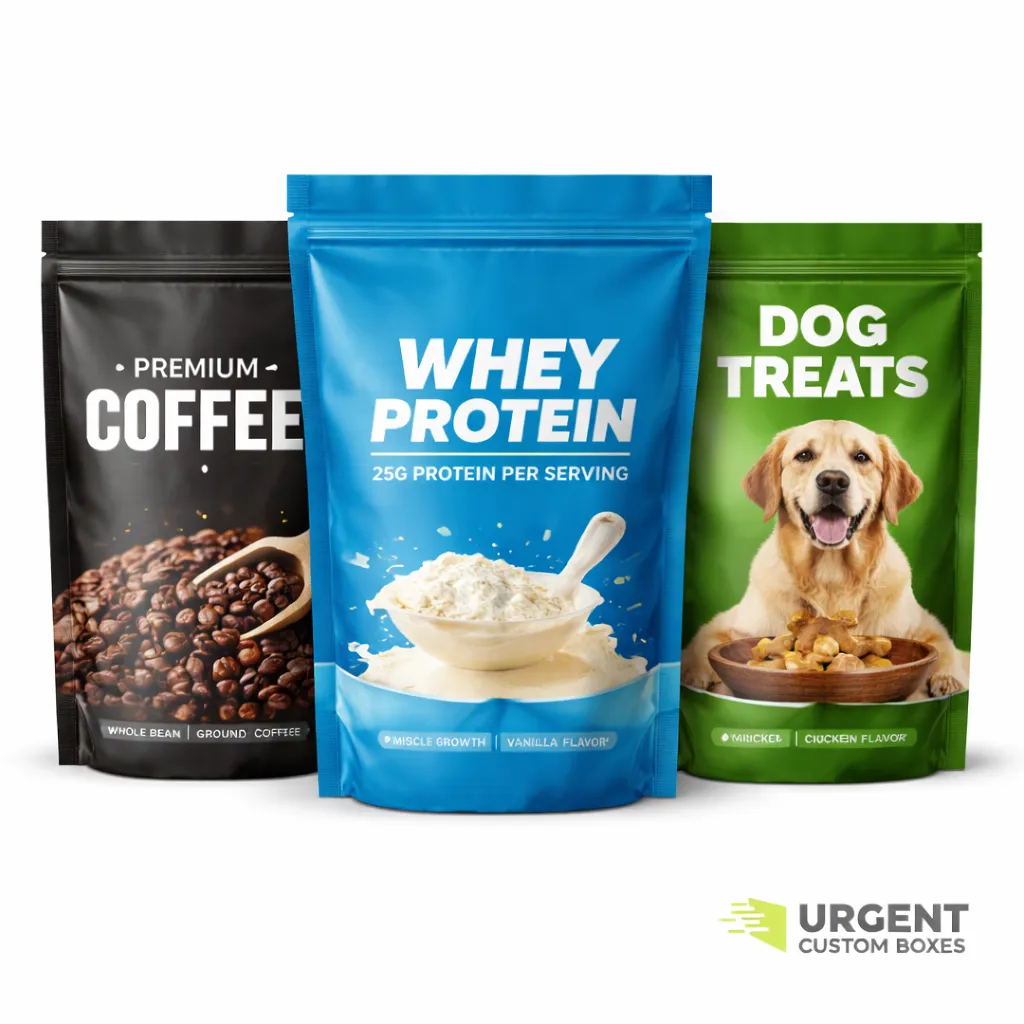
Coffee brands running pound mylar bags and bulk formats put their laminate through significant handling stress from roastery to retail shelf. Nylon mid-laminate keeps the aluminum barrier intact through that journey – which is the difference between coffee that tastes roasted and coffee that tastes like it has been sitting open on a counter.
Cannabis flower packaging deals with puncture risk at the fill stage and flex stress through dispensary handling. Stems and compressed flower both put physical pressure on bag panels which a standard three-layer structure absorb poorly at heavy fill weights.
Jerky and meat snack brands run dense, sharp-edged products through fill lines at volume. Without nylon in the laminate stack, seal area stress and panel puncture from product edges are recurring failure points that show up as freshness complaints without any obvious cause.
Pet treats brands selling through DTC subscription models put their packaging through the most handling cycles of any consumer product category – warehouse pick and pack, carrier transit, repeated home opening and resealing. Nylon mid-laminate is what keeps the barrier performing through that entire chain.
Industrial powder brands dealing with abrasive or dense fills need structural reinforcement that standard three-layer construction does not provide at the fill weights and bag sizes these products require.
When You Need Nylon and When You Do Not
This is the question most brand owners cannot answer without a supplier who will give them a straight answer instead of defaulting to the most expensive option.
You need nylon mid-laminate when your product has sharp edges or dense fill weight that puts puncture pressure on bag panels, when your distribution model puts the bag through high flex cycles between production and end use, when your product has a long shelf life target that depends on aluminum barrier integrity staying intact over months, or when your distribution includes temperature extremes that stress standard film structures.
You do not need nylon when your product is a fine powder or soft fill with no sharp edges, when your distribution is short-cycle retail with fast turnover, or when your bag format and fill weight sit comfortably within a standard three-layer structure and handle without stress.
At Urgent Custom Boxes, we make that call based on your actual product and supply chain – not based on upselling a more expensive laminate stack to every brand that comes through the door.
How Urgent Custom Boxes Specifies the Nylon Layer
Deciding whether your mylar bag needs nylon mid-laminate starts with understanding three things: what is going into the bag, what the bag goes through between your facility and your customer, and what your shelf life target actually requires from the barrier system.
We assess all three before we recommend a laminate structure. If nylon belongs in your stack, we specify the right grade and gauge for your application and confirm lamination bond strength and flex performance before production begins. If it does not belong, we tell you that too – and build the right three-layer structure instead.
Tell us your product, your fill weight, and your distribution environment. We will build the laminate stack your bag actually needs.