Description
What are sealed Mylar bags?
Sealed Mylar bags are laminated barrier pouches that are closed with a heat seal to lock in product and keep out air, moisture and contaminants. They can be single-use or sealed above a zipper, giving you both security and resealability after first open.
The heat seal is a key attribute, not an afterthought. Seal width, temperature window and position are designed around your product, filling method and storage so bags look clean, open predictably and stay closed under real shipping and handling conditions.
Why use sealed Mylar bags instead of just zipper pouches?
You use sealed Mylar bags when you need tamper evidence, better barrier and cleaner shelf presentation. A zipper alone can be opened and reclosed; a heat seal shows clear first-open status, protects flavor and aroma, and gives you tighter control over oxygen and moisture exposure.
Many brands run both: a zipper for customer convenience and a heat seal above it for security. Customers tear the seal on first use, then rely on the zipper for daily open–close cycles, keeping products safe in transit and practical at home.
Which products fit best in sealed Mylar bags?
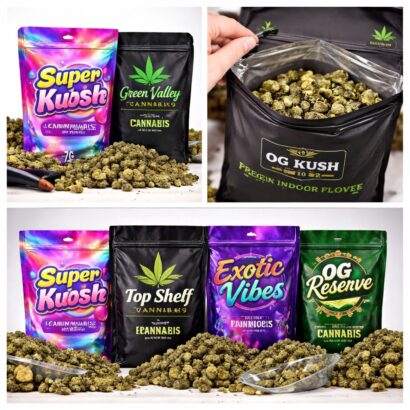
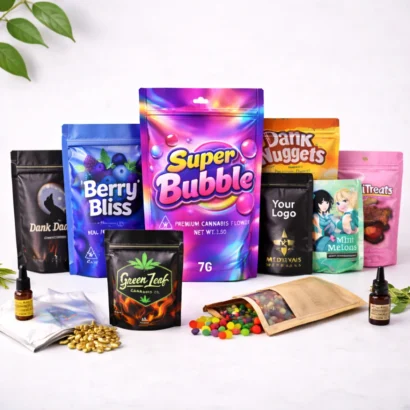
Sealed Mylar bags fit products where safety, shelf life and presentation matter: snacks, coffee, tea, gummies, candy, pet treats, jerky, cannabis, supplements, powders, grains, beans and long-term food storage. Any product that must arrive unopened and fresh benefits from a proper seal.
You can tune the same sealed system across categories: food-safe structures for snacks and coffee, smell-proof builds for cannabis, moisture-focused laminates for powders and long-term storage, and clinical, clean looks for supplements and wellness products.
Typical use cases
- Chips, nuts, granola, trail mix, dried fruit
- Coffee beans, ground coffee and loose tea
- Gummies, candy, chews and functional snacks
- Pet treats, jerky and training bites
- Protein powders, pre-workout, collagen, greens
- Cannabis flower, pre-rolls and infused products
- Rice, beans, grains and long-term pantry or emergency food
How do sealed Mylar bags protect freshness and prevent tampering?
Sealed Mylar bags protect freshness and prevent tampering by combining high-barrier laminates with a deliberate heat-seal zone. The seal closes the bag completely until someone tears or cuts it, so you can see at a glance if a pack has been opened before sale or use.
Barrier films slow oxygen and moisture transfer; the seal blocks direct paths in or out. When combined with zippers or well-sized seams, sealed Mylar structures help maintain crunch, aroma, potency and safety from your line, through logistics and into customers’ hands.
Protection and security features
- High oxygen and moisture barrier laminates
- Clean, consistent heat seals sized for real-world handling
- Optional tear notches for controlled, easy opening
- Seals above zippers for tamper-evident + resealable function
- Compatibility with oxygen absorbers for long-term storage
What seal styles can you use on Mylar bags?
You can use different seal styles depending on product, equipment and brand look. The most common are top heat seals, but you can also add side seals, gusset cross-seals and tamper-evident or perforated areas as part of your spec.
Common seal styles
- Standard top seal – simple, straight seal across the top of the pouch
- Top seal + zipper – heat seal sits above a zipper for tamper-evident resealability
- Side and bottom seals – define the bag’s shape and strength zones
- Perforated or tear-line seals – control how and where the bag opens
- Extended seals – wide “header” areas that can be hole-punched or hung
We set seal width and position so packs look intentional, run cleanly on your equipment and open the same way for every customer.
What customization options can you add to sealed Mylar bags?
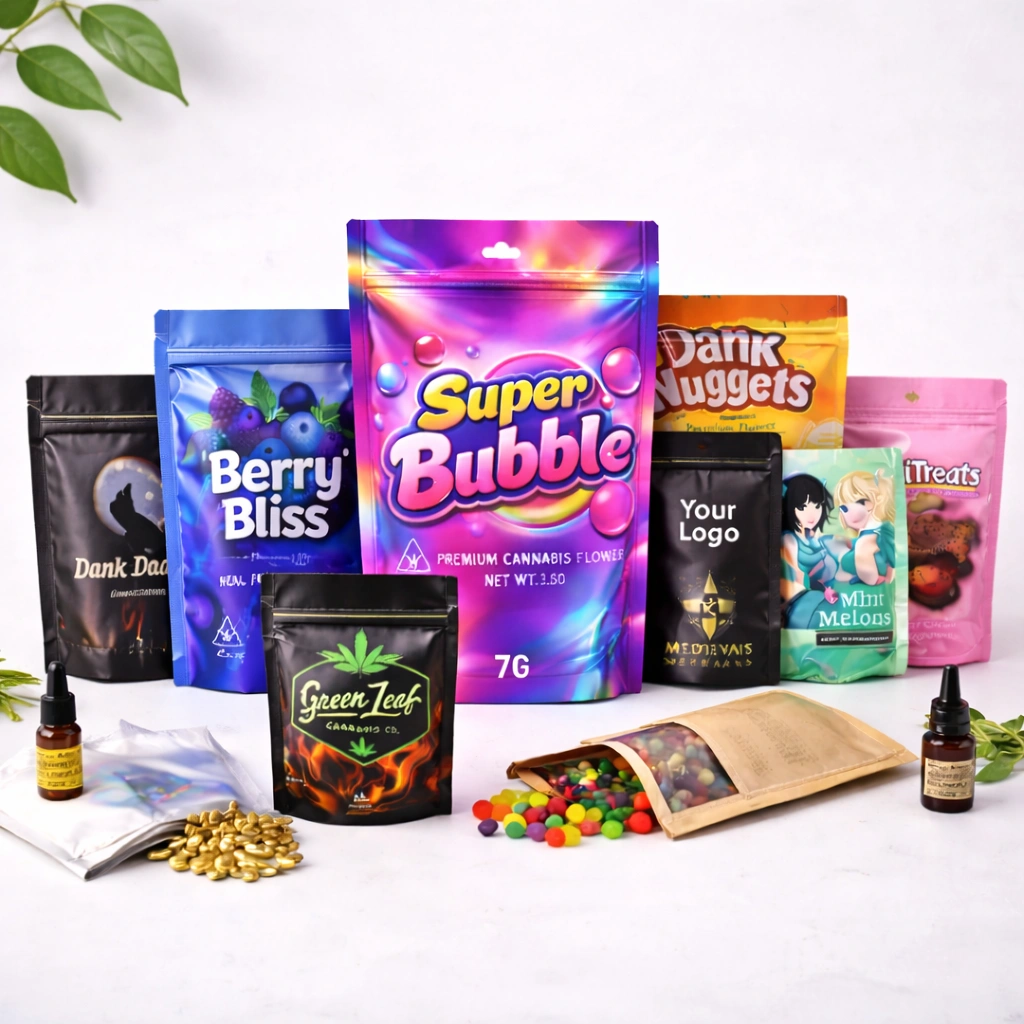
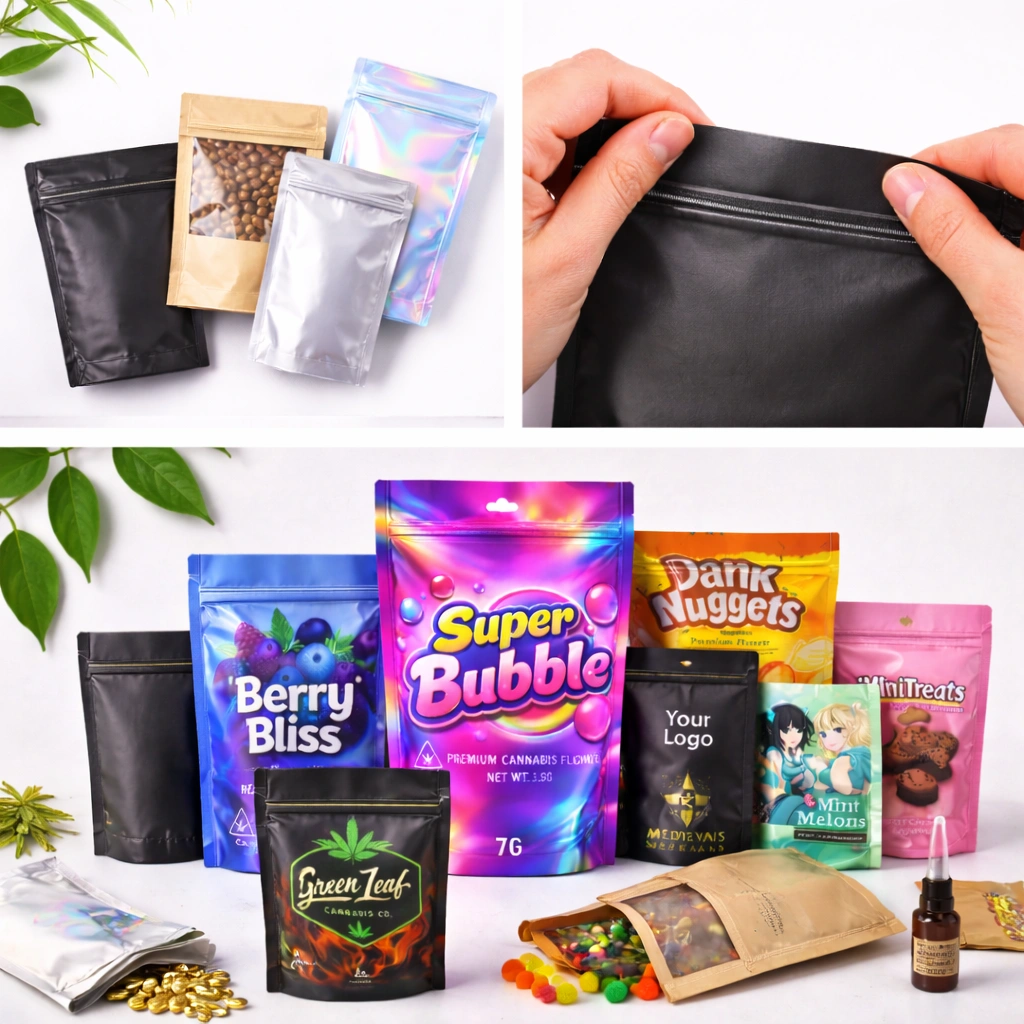
You can customize sealed Mylar bags by size, gusset style, thickness, seal width, zipper type, tear notch placement, finish, window design and artwork. The seal is treated as a design and performance element, aligned with your product and brand.
Structural options
- Flat, stand-up, side-gusset or flat-bottom pouches
- Light to heavy-gauge thickness matched to weight and route
- Standard, wide-mouth or child-resistant zippers (with seal above)
- Tear notches and perforations for easy, controlled opening
- Opaque, metallic, Kraft-look, frosted or windowed builds
Visual options
- Matte, gloss or soft-touch outer finishes
- Clean top seals, or headers with hang holes and branding
- Color systems by flavor, strain, recipe or strength
- Dedicated zones for nutrition, dosage, warnings and instructions
- QR codes, batch fields and campaign elements in clear areas
Are sealed Mylar bags right for single-use and multi-use products?
Yes. Sealed Mylar bags work for both single-use and multi-use products; the difference is whether you add a zipper under the seal.
Use patterns
- Single-use / dose: top-sealed pouches without zippers; customers tear, pour and discard
- Multi-use: top-sealed bags with zippers underneath; seal is broken once, zipper handles daily use
- Long-term storage: permanent top seals with no zipper, often used with oxygen absorbers
- You can mix these patterns across your range: single-use sachets, sealed + zip pouches, and sealed-only heavy bags
How much do custom sealed Mylar bags cost?
Custom sealed Mylar bag cost depends on size, laminate spec, thickness, seal width, zipper choice, finishes, windows and order volumes. The seal itself doesn’t add much material cost; main price levers are dimensions, film choice, closures and print complexity.
Key cost drivers
- Bag height, width and gusset depth
- Barrier film type and thickness
- Zipper and any child-resistant or special closures
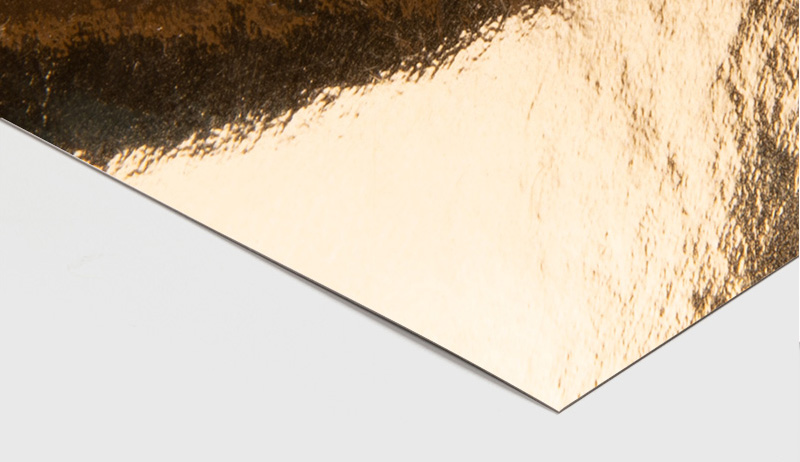
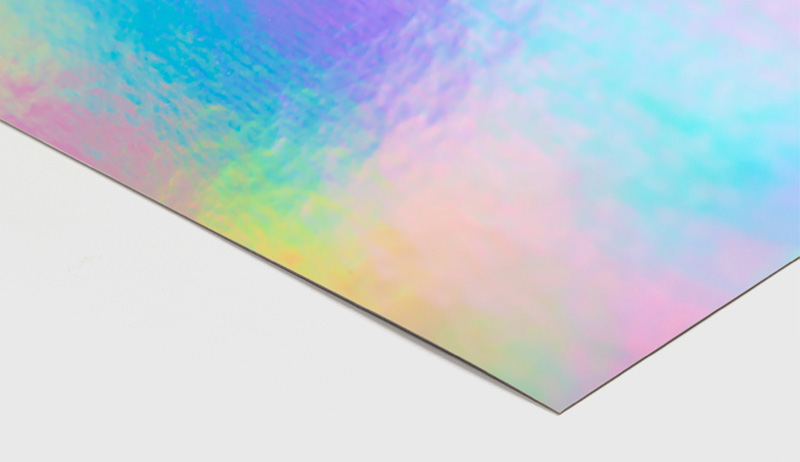
- Matte, gloss, soft-touch, metallic or holographic effects
- Number of SKUs and quantity per design
How do you order custom sealed Mylar bags?
To order custom sealed Mylar bags, you define your products, how often customers open them, and your security and shelf-life needs. We recommend structures, seal layouts and closures, provide dielines, then produce once you approve proofs and specs.
Step 1 – Define product and use pattern
- Product type and net weight per bag
- Single-use vs multi-use vs long-term storage
- Shelf life and storage/shipping conditions
- Any compliance, warning or tamper-evidence requirements
Step 2 – Choose structure, seal and closure
- Select format, size, thickness and laminate spec
- Decide seal width, tear notch placement and header design
- Choose zipper type (or no zipper) and any CR features
- Receive dieline templates with seal and print zones marked
- Place logos, product copy, nutrition/dosage and legal info
Step 3 – Print, seal, fill and restock
- We produce sealed-capable Mylar bags to your spec
- Your line or co-packer dials in sealing temps and dwell time
- Cartons arrive labeled by SKU/design for quick setup
- Reorders and new SKUs reuse the same sealed spec and layout logic





















Reviews
There are no reviews yet.