Description
What are vacuum sealed Mylar bags?
Vacuum sealed Mylar bags are high-barrier pouches designed to have most of the air removed before sealing. A vacuum sealer pulls out air around the product, then heat seals the Mylar laminate, helping slow oxidation, moisture changes and aroma loss.
They use multi-layer films that resist oxygen, moisture and light. When you remove air and seal correctly, you give products a more stable environment, which is especially useful for long-term storage, bulk packs, shipping and sensitive ingredients.
How do vacuum sealed Mylar bags work?
Vacuum sealed Mylar bags work by pulling air out of the pouch, compressing the product and sealing the opening with heat. The Mylar laminate then acts as a strong barrier, slowing oxygen, moisture and aroma movement in or out of the pack.
The vacuum stage removes air pockets around the product. The seal stage locks the barrier in place. Together, they create a tighter, more controlled environment than a traditional fill-and-seal pouch with normal headspace.
How the process fits together
- Product is placed into the Mylar bag
- Vacuum equipment removes most of the air
- Heat sealing closes the top or seal area
- Barrier film and seal work together over time
- Product is stored or shipped in this low-oxygen state
Which products fit best in vacuum sealed Mylar bags?
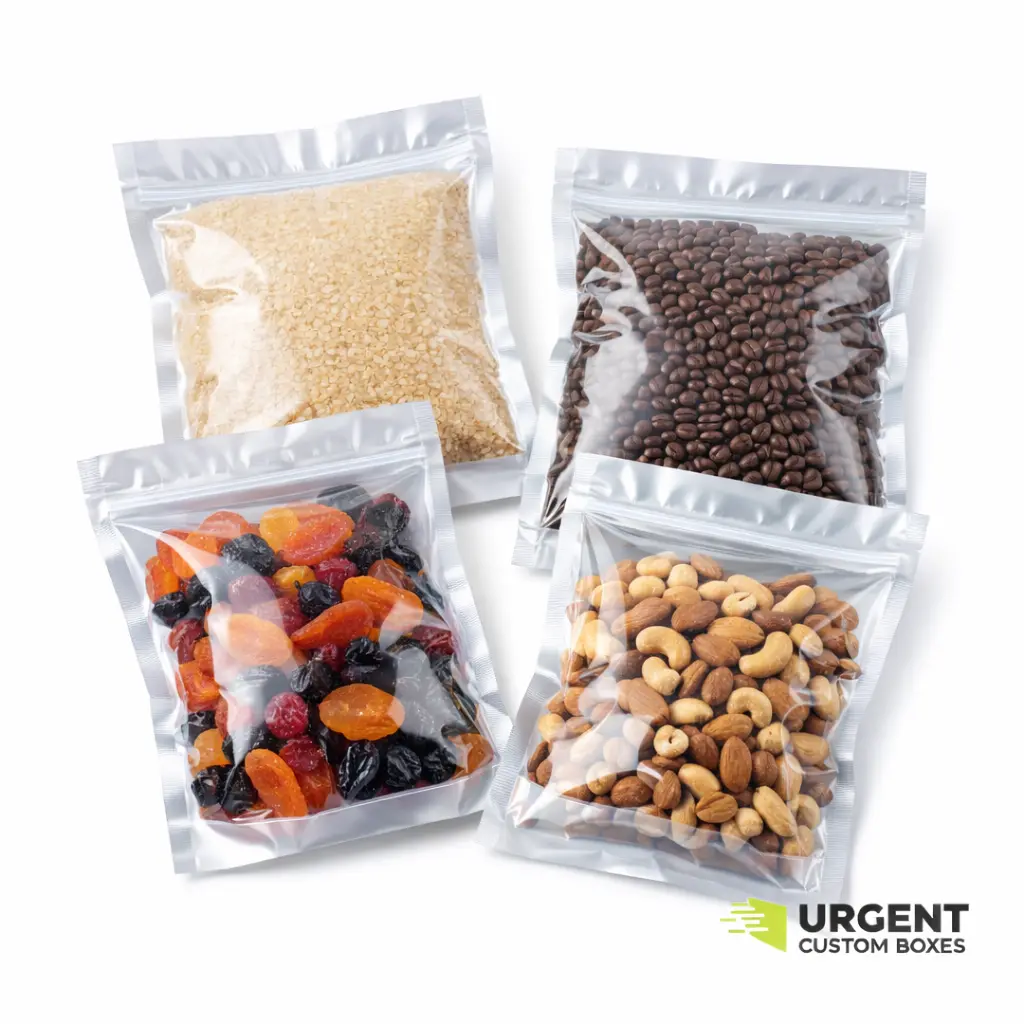
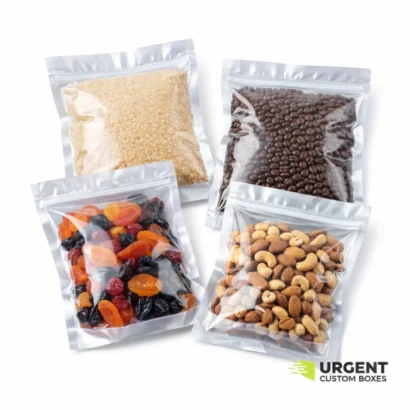
Vacuum sealed Mylar bags fit products that benefit from reduced oxygen and tight packing, including bulk foods, grains, beans, rice, coffee, jerky, nuts, powders, some cannabis products and other items meant for extended storage or controlled environments.
They are also useful when products must remain compact and protected for travel, shipping or warehousing, especially in bulk or long-term storage programs.
Common use cases
- Bulk dry foods: rice, beans, grains, pasta and oats
- Coffee beans and selected ground coffee formats
- Jerky, dried meat, dried fruit and nuts
- Baking ingredients, protein powders and blends
- Long-term storage kits and preparedness packs
- Certain cannabis products, where format allows
Bag size and thickness are selected based on product type and target shelf life, not just fill weight.
What are the advantages of vacuum sealed Mylar over regular pouches?
Vacuum sealed Mylar bags provide a tighter internal environment and often longer stability than regular pouches with trapped air. By reducing oxygen and headspace, they help slow changes in texture, color, flavor and aroma while supporting compact storage.
Regular pouches rely only on barrier film and headspace control. Vacuum sealed Mylar combines barrier performance with low internal air levels, which is valuable when storage conditions or shelf-life requirements are demanding.
Key advantages
- Lower oxygen levels and reduced air movement
- More compact packs for storage and shipping
- Less product shifting and abrasion during transit
- Added support for long-term or bulk storage
- Clear visual signal of a sealed, protected product
What customization options are available for vacuum sealed Mylar bags?
Vacuum sealed Mylar bags can be customized by size, thickness, finish and print, with seal zones designed to work smoothly with vacuum sealing equipment. Many vacuum-friendly bags can still be fully branded for retail or e-commerce use.
We define the base bag structure first, then adjust dimensions, barrier specification, surface finish, artwork and recommended sealing parameters.
Structural options
- Flat pouches for compact vacuum packs
- Gusseted or pillow-style structures where required
- Selected thickness levels for puncture resistance
- Seal area widths tuned for vacuum sealing equipment
- Optional tear notches for easy opening
Visual options
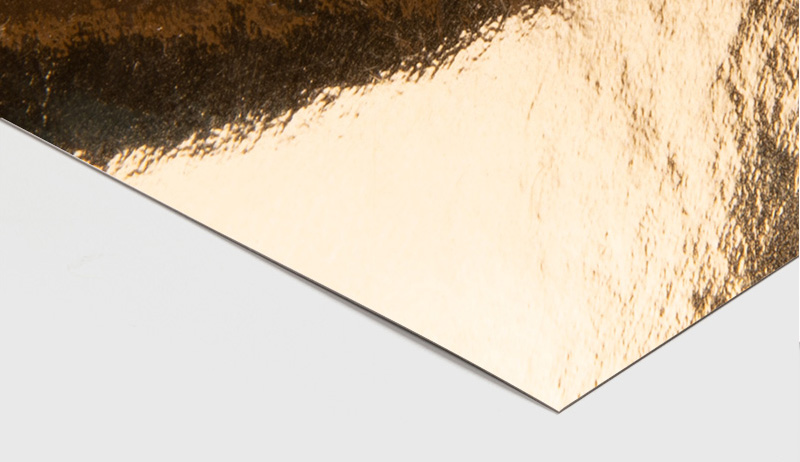
- Plain metallic or opaque films for storage-focused use
- Custom-printed designs for branded products
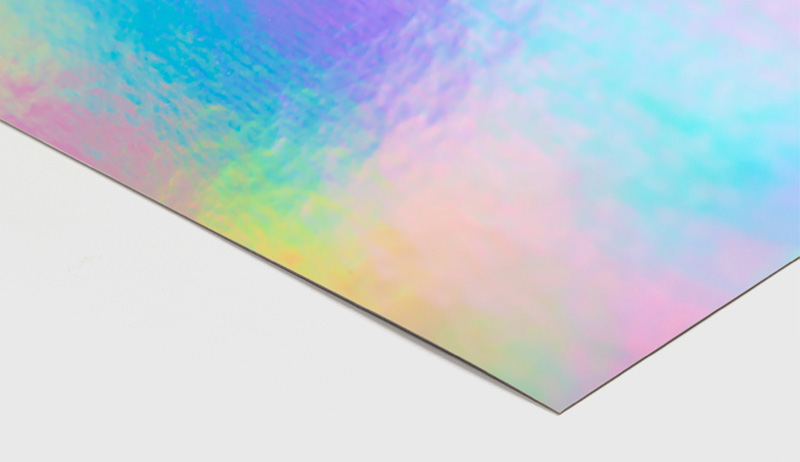
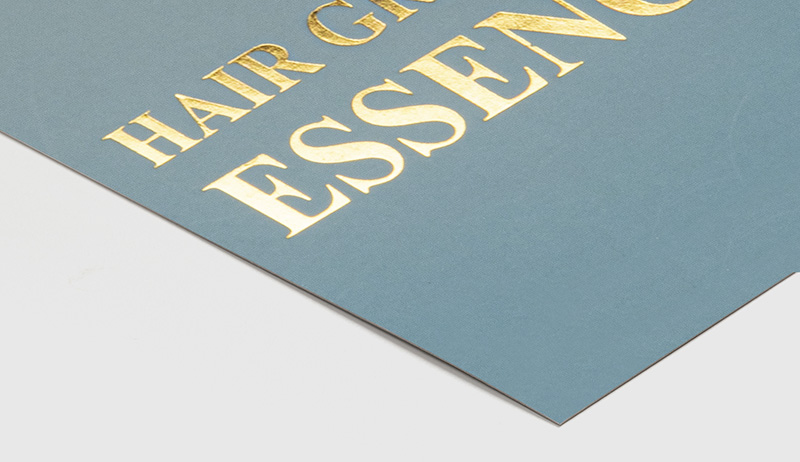
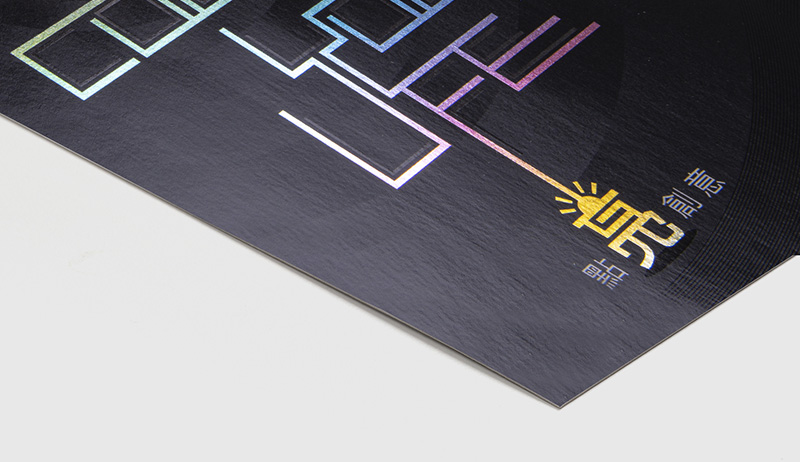
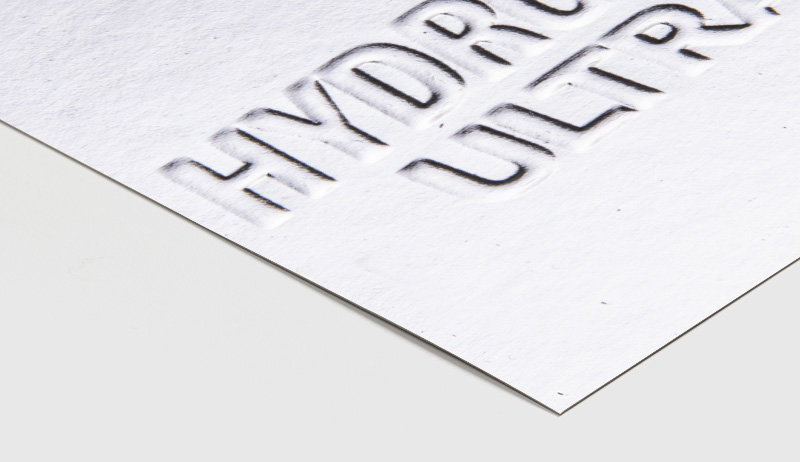
- Matte, gloss or soft-touch finishes
- Designated zones for dates, batch and content labels
- Color systems for product type or rotation cycles
Structures are aligned with your vacuum method—chamber, external or automated line—so operations stay reliable.
How do you choose the right thickness and size for vacuum sealed Mylar bags?
Thickness and size are chosen based on product weight, sharpness, storage duration and handling conditions. Heavier loads or long-term storage typically require thicker laminates, while lighter or short-term packs can use standard structures.
Bag size must balance tight packing with practical sealing. Overly tight bags complicate filling, while oversized bags reduce vacuum efficiency. Product volume, density and stacking patterns all factor into size recommendations.
Selection factors
- Product weight and shape (sharp or smooth)
- Storage duration and temperature or humidity swings
- Handling conditions: warehouse, shipping or retail
- Filling method: manual, semi-automatic or automatic
- Space for labeling, dates and instructions
Sample sizes and thicknesses can be tested before finalizing a full production specification.
How much do vacuum sealed Mylar bags cost?
Vacuum sealed Mylar bags usually cost more than basic thin pouches due to stronger laminates and wider seal areas. Final pricing depends on size, thickness, print, finish and order volume, with higher quantities reducing per-bag cost.
The added cost supports durability, barrier performance and long-term product protection. Clear cost breakdowns help determine where higher specifications deliver real value.
Cost drivers
- Film structure and laminate thickness
- Bag dimensions and seal area size
- Plain versus custom-printed bags
- Surface finishes and special effects
- Order quantities and number of SKUs
Some brands use vacuum sealed Mylar for long-life products and simpler pouches for short-shelf-life SKUs.
How do you order custom vacuum sealed Mylar bags?
To order custom vacuum sealed Mylar bags, you provide product details, storage goals, sealing equipment information and expected volumes. We recommend structures, supply dielines when printing is needed and confirm sealing parameters before production.
This approach aligns packaging performance with real-world operations, avoiding issues at the sealing stage.
Step 1 – Define product and storage plan
- Product type and net weight per bag
- Target shelf life and storage conditions
- Vacuum system type (chamber, nozzle or line)
- Handling needs: warehouse, shipping, display or e-commerce
Step 2 – Choose structure and design
- Select bag size, thickness and surface finish
- Decide between plain or custom-printed bags
- Receive dieline templates for printed options
- Place branding, content and date label zones
- Approve proofs and structural specifications
Step 3 – Test, produce and restock
- We produce vacuum sealed Mylar bags to specification
- You test sealing with actual product and equipment
- Cartons arrive ready for integration into your process
- Reorders reuse verified specs for consistent performance





















Reviews
There are no reviews yet.