Description
What are die cut Mylar bags?
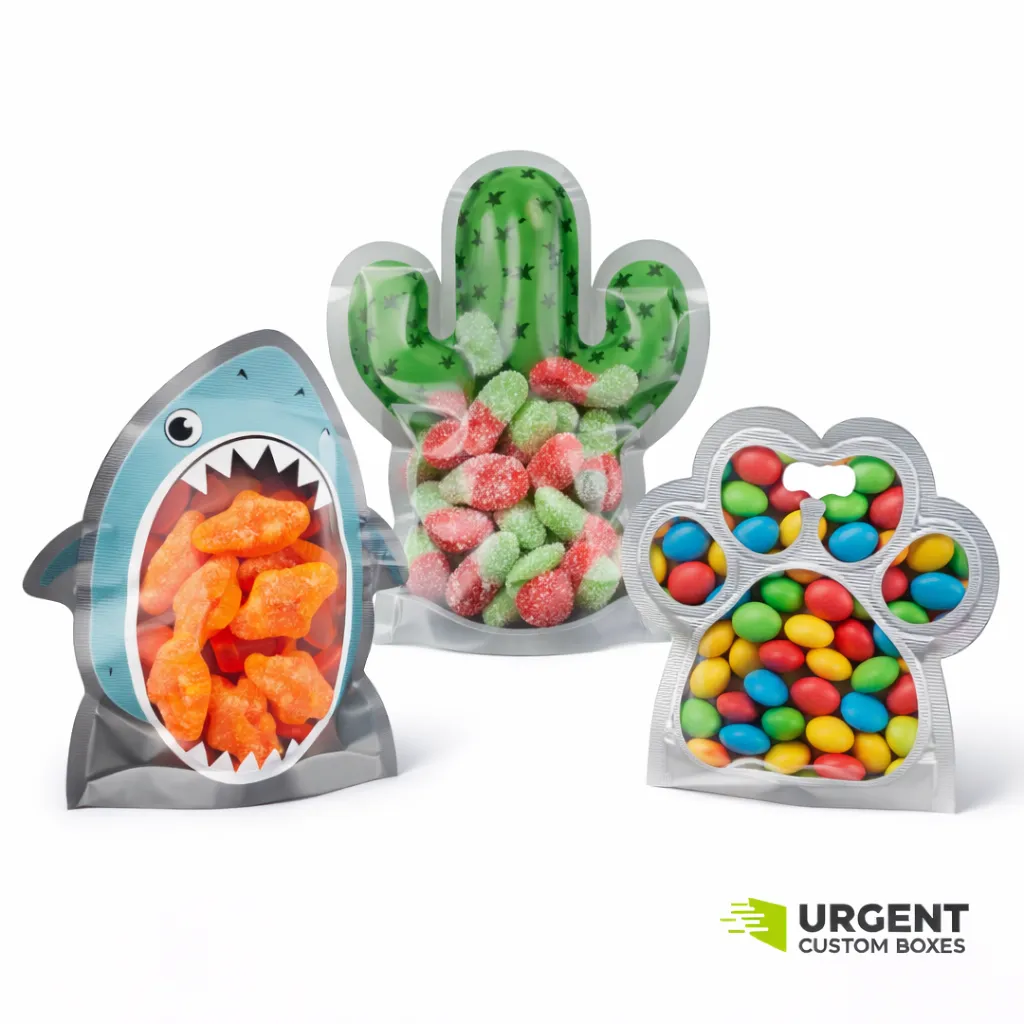
Die cut Mylar bags are high-barrier pouches with custom-cut shapes, edges, windows, or hang holes created using a cutting die. You still get laminated films and strong seals, but the outline, window, or top profile becomes unique instead of a simple rectangle.
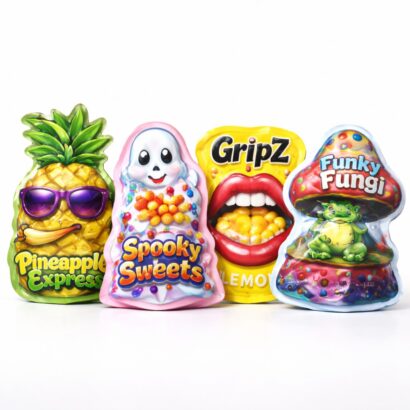
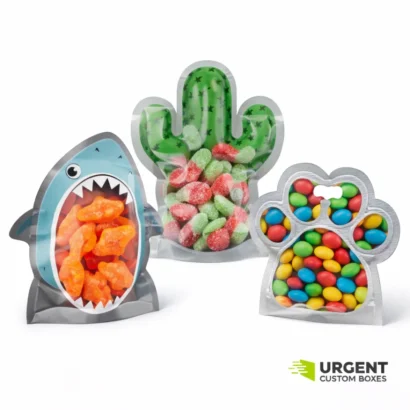
Die cutting lets you add rounded tops, handle shapes, euro slots, strip or shaped windows, and full custom silhouettes that match your brand, product, or icon. You control size, thickness, finish, and closure so bags work in real operations, not just design mockups.
Why do brands use die cut Mylar bags instead of standard pouches?
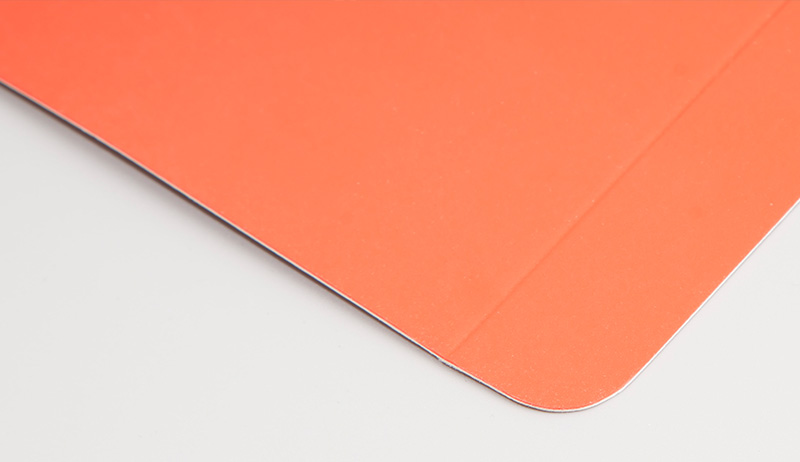
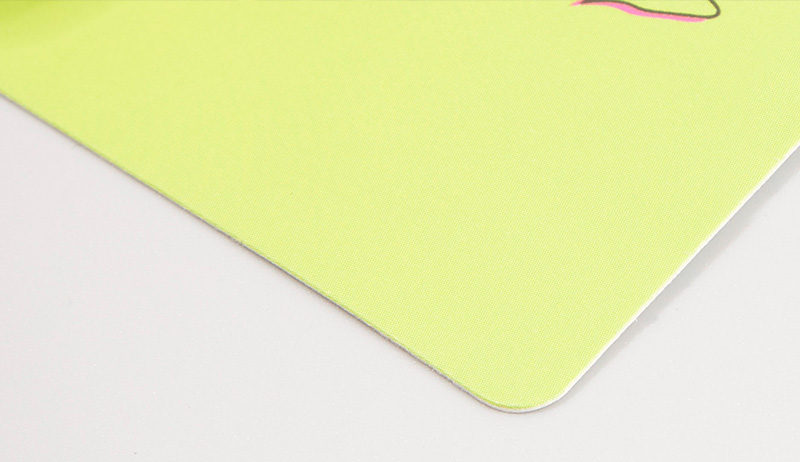
Brands use die cut Mylar bags to stand out visually, improve merchandising, and add features like hang holes or windows. The custom outline makes packs more memorable, improves shelf and peg display options, and turns packaging into a visible part of the product experience.
Die cut shapes can echo your logo, character, theme, or category. Even a simple rounded top or built-in handle can make the same product feel more premium or giftable compared with a basic, straight-edged pouch.
What types of die cuts can Mylar bags include?
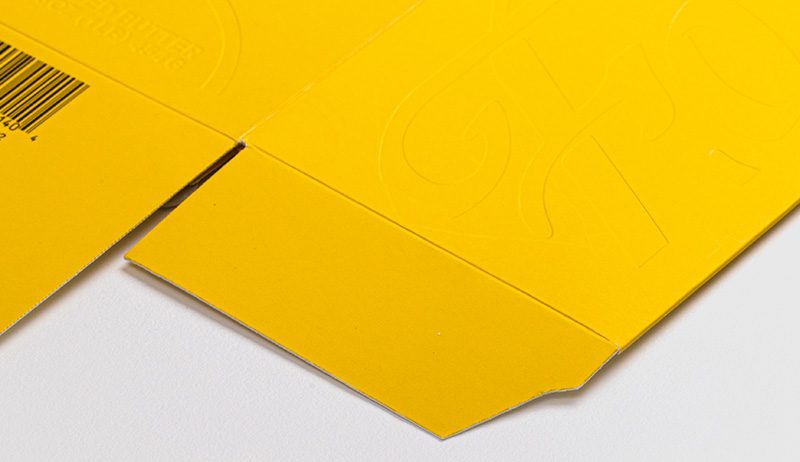
Die cut Mylar bags can include shaped tops, rounded corners, built-in handles, euro slots, standard hang holes, strip windows, logo-shaped windows, and full custom silhouettes. Each cut is planned around barrier, seal zones, and artwork, so form and function work together.
We protect critical areas—like seals and zipper lines—then design die cuts around them. The result is packaging that still protects product while delivering unique outlines, viewing areas, and display options for retail, ecom, and promo kits.
Common die cut features
- Euro slots and round hang holes for pegs
- Rounded or scalloped top profiles
- Built-in handles or finger holes
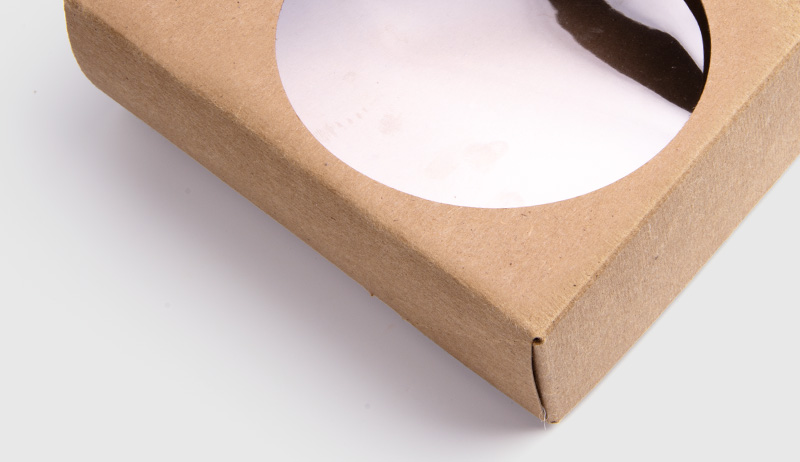
- Strip or shaped front windows
- Full custom outlines for shaped pouches
Which products work best in die cut Mylar bags?
Die cut Mylar bags work best for products where visual impact and display matter: snacks, gummies, candy, pet treats, cosmetics, masks, patches, accessories, cannabis, and seasonal or limited-edition items. Anywhere packaging needs to grab attention, die cuts add an advantage.
They’re ideal for peg displays, clip strips, gift packs, limited drops, and collabs, where shape and window design help customers quickly understand the product and brand, and where social media photos and unboxings matter for discovery and word of mouth.
Typical use cases
- Gummies, candies, and novelty snacks
- Pet treats and functional bites
- Face masks, patches, and beauty samples
- Cannabis flower, edibles, and accessories
- Small electronics, cables, or accessories
- Seasonal, event, and collaboration packs
How do die cut Mylar bags still protect product quality?
Die cut Mylar bags still protect product quality using multilayer barrier films, strong heat seals, and closures; the die cut only changes non-critical areas. We design seal paths and cut lines so barrier performance and durability stay close to standard pouches.
We avoid cutting through areas that need structural strength or continuous barrier. Windows use suitable materials and sizes; decorative shapes stay outside critical zones. That way, you gain unique form without sacrificing performance in shipping, storage, or handling.
Protection considerations
- Keep wide, continuous seal areas around contents
- Use barrier films matched to shelf life targets
- Size windows carefully to limit barrier loss
- Plan die cuts away from zipper tracks and stress points
- Maintain enough flat areas for codes and labels
What customization options can you add to die cut Mylar bags?
You can customize die cut Mylar bags across shape, size, thickness, finish, zipper style, window design, hang system, and artwork. This lets you design one structure for your category and then differentiate lines, flavors, or drops through unique die cuts and graphics.
We treat the bag as an entity with attributes: outline shape, window style, hang feature, laminate type, closure, and print. You decide how bold or subtle each attribute should be based on product, audience, and price point.
Structural options
- Flat, stand-up, or gusseted die cut pouches
- Standard, wide-mouth, or child-resistant zippers
- Euro slots, round hang holes, or handles
- Strip windows, logo windows, or no windows
- Thickness tuned to product weight and fragility
Visual options
- Matte, gloss, or soft-touch laminates
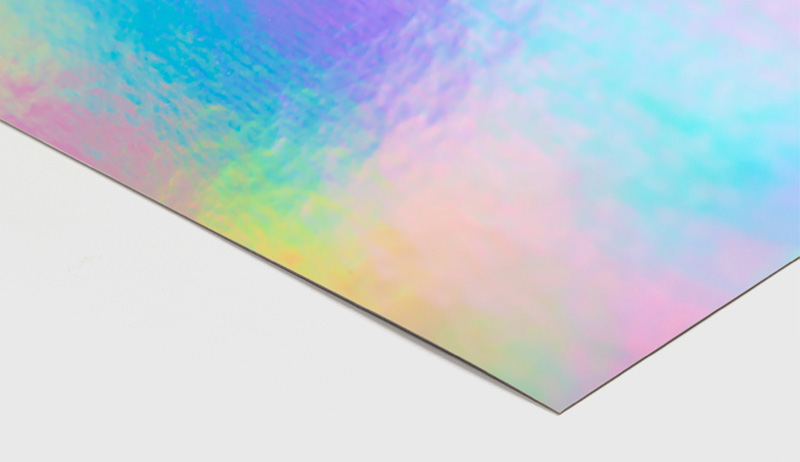
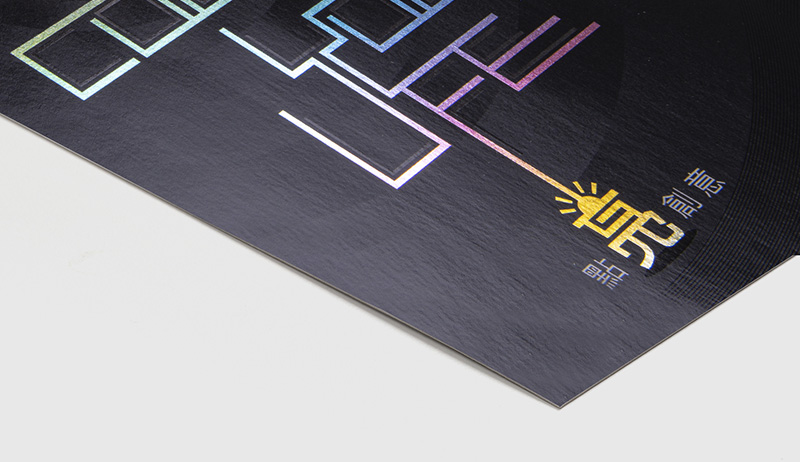
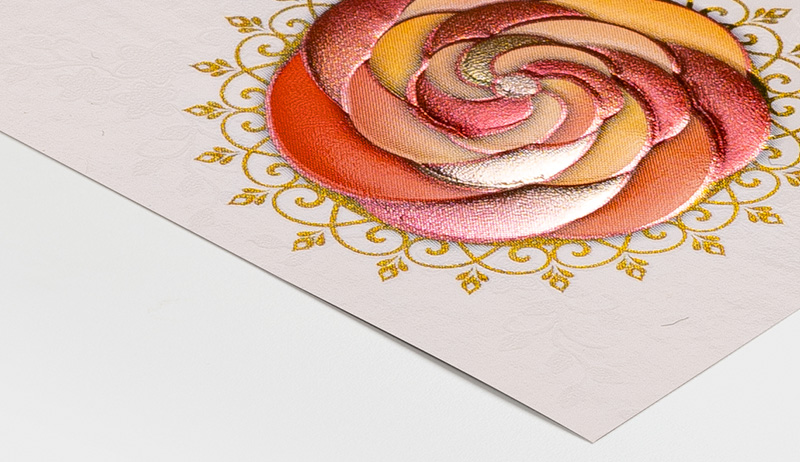
- Metallic accents, foils, and spot gloss
- Character, logo, or theme-driven art
- Color systems for flavors, strains, or variants
- Dedicated zones for ingredients, warnings, and instructions
How much do custom die cut Mylar bags cost?
Custom die cut Mylar bags cost more than basic rectangles because of tooling and cutting steps. Final price depends on shape complexity, bag size, film spec, finishes, zipper choice, window design, and order volumes across SKUs that share the same die.
Tooling is usually a one-time or infrequent cost; unit price then focuses on material and production. Sharing a die cut across multiple products or flavors spreads that cost and makes unique shapes more economical long term.
Cost drivers
- Complexity of the die cut shape
- Bag dimensions and laminate structure
- Plain vs fully custom-printed artwork
- Extra finishes and special window treatments
- Volumes per SKU and total volume using the same die
How do you order custom die cut Mylar bags?
Step 1 – Define product and die cut goals
- Product type and net weight per bag
- Display method: peg, shelf, tray, mailer, kit
- Desired die cut features: hang hole, window, shape, handle
- Shelf life, barrier, and regulatory needs
Step 2 – Develop structure and artwork
- We propose format, film, thickness, and closure
- You receive dieline templates with die cut and seal zones marked
- Artwork is placed around windows, holes, and edges
- You approve structural and visual proofs after checks
Step 3 – Tooling, production and repeat
- We build and test cutting dies for your shapes
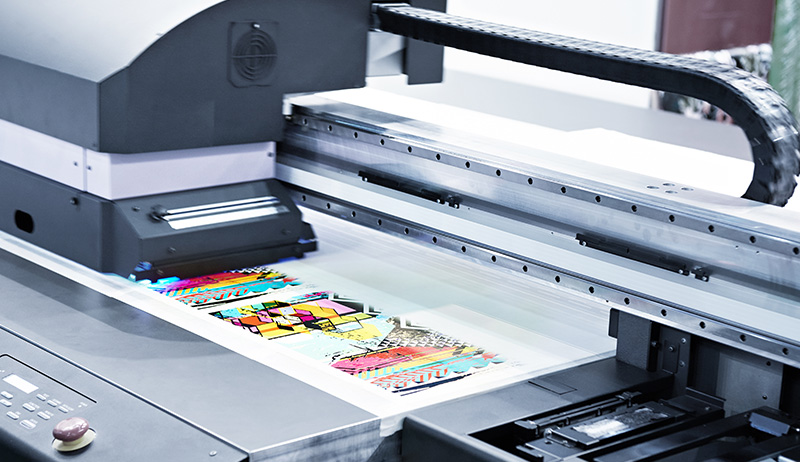
- Bags are printed, laminated, cut, and finished to spec
- Cartons ship labeled by SKU and design
- Reorders reuse the same die and specs for consistency





















Reviews
There are no reviews yet.