Description
What are aluminum packaging bags?
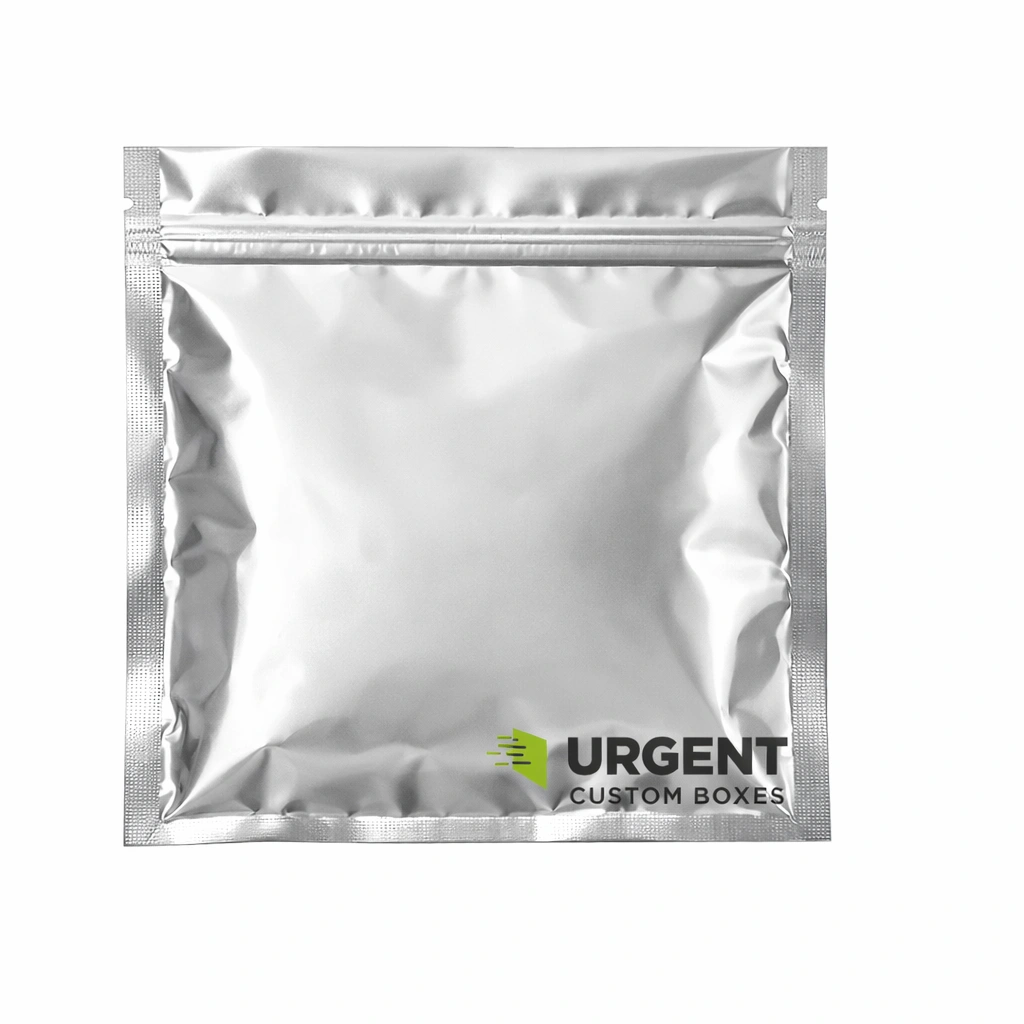
Aluminum packaging bags are high-barrier pouches made with aluminum foil or foil-laminate layers that block oxygen, moisture, and light. They protect sensitive products during storage and shipping while giving you a printable surface for branding, directions, safety information, and codes.
These bags use multi-layer structures: aluminum foil for barrier, plus strength and seal layers designed for real handling. You define size, thickness, gusset, closure, and artwork so each bag performs technically and still fits your product line visually.
Which products fit best in aluminum packaging bags?
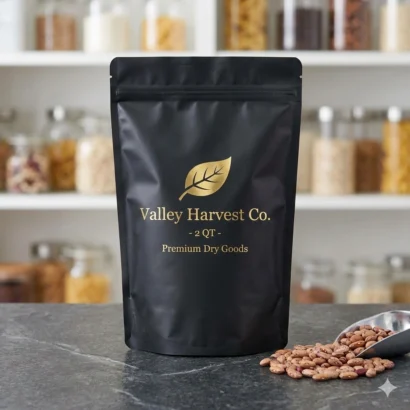
Aluminum packaging bags fit products that need strong barrier and light protection: coffee, dry foods, powders, spices, supplements, pharmaceuticals, chemicals, pet food, electronics, and long-term storage kits. They suit both consumer units and bulk or industrial formats.
You choose structures around product sensitivity, value, and route. Some lines use aluminum bags only for the most demanding SKUs; others move entire ranges into foil laminates to standardize performance across markets and channels.
Common applications
- Coffee beans, ground coffee, and tea
- Dry foods: rice, beans, grains, pasta, dehydrated meals
- Nutraceuticals, protein powders, and active blends
- Pharmaceuticals and medical components (where allowed)
- Industrial powders, chemicals, and additives
- Electronics, components, and moisture-sensitive parts
How do aluminum packaging bags protect product quality?
Aluminum packaging bags protect product quality by using foil layers that drastically reduce oxygen, moisture, and light transmission. Strong seals and closures maintain barrier performance across filling, shipping, and storage, keeping flavor, potency, and functionality stable.
The laminate structure is tuned to your product: foil plus inner and outer films that handle sealing, printing, and handling. This creates a controlled internal environment that supports shelf life, stability, and regulatory or safety requirements.
Protection advantages
- Extremely low oxygen and moisture transmission
- Full opacity for light-sensitive and photo-reactive products
- Strong seal paths for stacking, drops, and vibration
- Compatibility with oxygen absorbers or desiccants
- Better control of aroma and cross-odor transfer
What customization options can you choose for aluminum packaging bags?
You can customize aluminum packaging bags by size, gusset style, thickness, finish, zipper type, valve, tear notches, and print. This lets you use a technical, high-barrier structure while still matching your brand look and real-world usage.
Structural options
- Flat pouches, stand-up pouches, and side-gusseted bags
- Various thicknesses for strength and puncture resistance
- Standard, wide-mouth, or child-resistant zippers
- Valves for coffee or off-gassing products
- Tear notches and optional hang holes
Visual options
- Matte, gloss, or soft-touch outer finishes
- Full-color printing on top of foil laminate
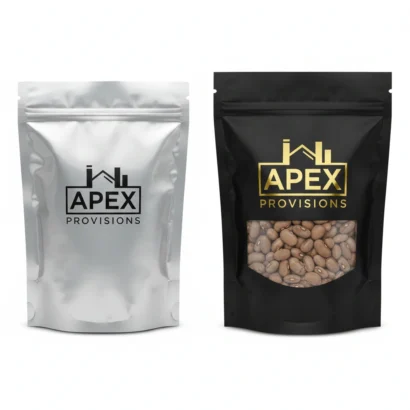
- Window strips (where barrier and structure allow)
- Zones for ingredients, safety, batch, and QR codes
- Color systems for flavors, strengths, or variants
Are aluminum packaging bags food-safe and compliant?
Aluminum packaging bags can be food-safe and compliant when built with certified food-contact laminates and printed with suitable inks. Inner layers are designed so food or pharma never touches bare aluminum, only approved contact films.
We align structure with your regulatory environment and category, matching film and ink choices to food, nutraceutical, pharma, or industrial standards, and reserving clear zones for legal, allergen, warning, and coding requirements.
Compliance considerations
- Food-contact approved inner films where required
- Ink and adhesive systems chosen for your category
- Layouts with reserved space for required statements
- Batch, date, and traceability marking zones
- Documentation for audits and quality systems
How much do custom aluminum packaging bags cost?
Custom aluminum packaging bags cost more than simple plastic-only pouches because of foil layers and higher barrier specs. Final price depends on size, laminate structure, thickness, print complexity, closures, and order volumes across SKUs.
We compare total cost to risk: shelf life loss, product waste, and complaint handling. For sensitive or high-value products, the extra packaging cost often pays back in reduced failures and stronger brand trust.
Main cost drivers
- Laminate composition (foil thickness, outer films)
- Bag dimensions and gusset depth
- Zippers, valves, and special closures
- Print passes, colors, and finishes
- Quantity per design and number of SKUs
How do you order custom aluminum packaging bags?
Step 1 – Define product and performance needs
- Product type, water activity, and sensitivity
- Shelf life target and storage conditions
- Distribution route: local, export, harsh climates
- Any category-specific regulations or certifications
Step 2 – Choose structure and design
- Select format, size, thickness, and laminate spec
- Decide on zipper, valve, tear, and gusset options
- Receive dieline templates with seal and code zones marked
- Place branding, product info, warnings, and instructions
- Approve digital proofs after technical and visual checks
Step 3 – Produce, test and restock
- Produce aluminum bags to agreed spec
- Test with real product and logistics scenarios
- Cartons arrive labeled by size and SKU
- Reorders reuse locked specs; new SKUs plug into the same system





























Reviews
There are no reviews yet.