


Custom Boxes
- Design online in minutes
- Custom dimensions & design
- No minimum quantity
Custom boxes are made-to-spec packaging products manufactured to fit a product’s size, handling method, and branding requirements. Urgent Custom Boxes produces custom boxes by controlling structure, materials, printing, and finishing to support retail packaging, shipping protection, and scalable wholesale supply across the United States.
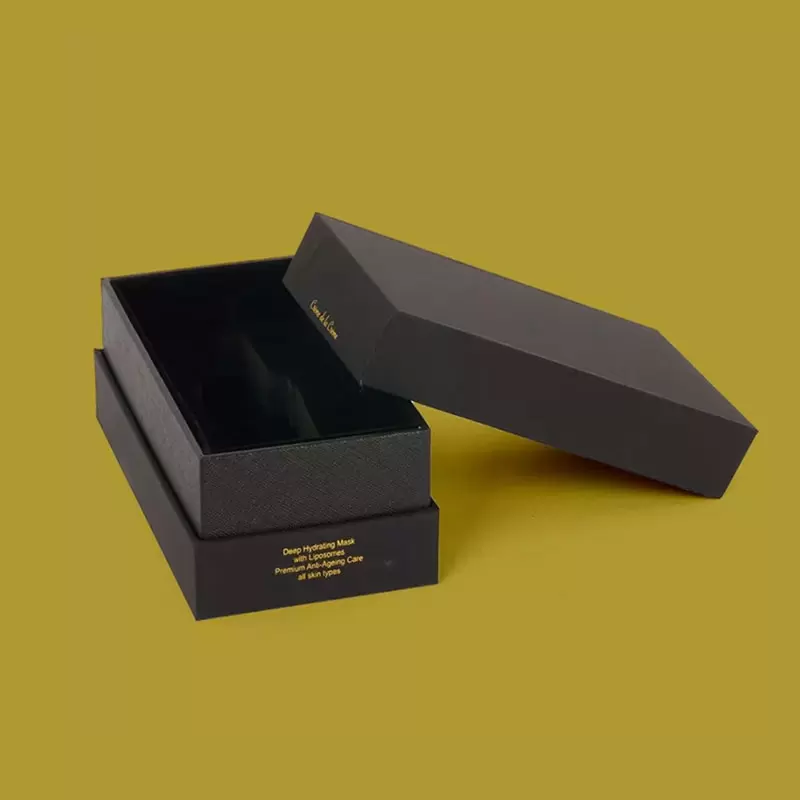
Rigid Boxes
- Most popular style for online brands
- Full-color and black ink printing
- Order a sample to try
- Custom inserts available

Corrugated Boxes
- Most popular style for online brands
- Full-color and black ink printing
- Order a sample to try
- Custom inserts available
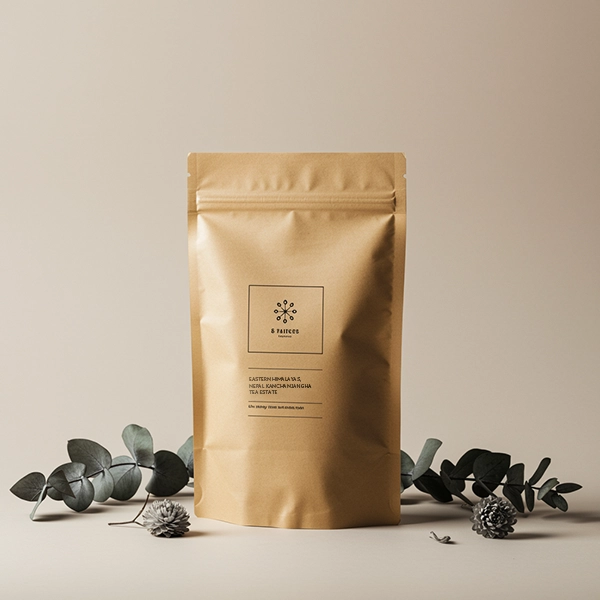
Mylar Bags
- Most popular style for online brands
- Full-color and black ink printing
- Order a sample to try
- Custom inserts available

Mailer Boxes
- Most popular style for online brands
- Full-color and black ink printing
- Order a sample to try
- Custom inserts available
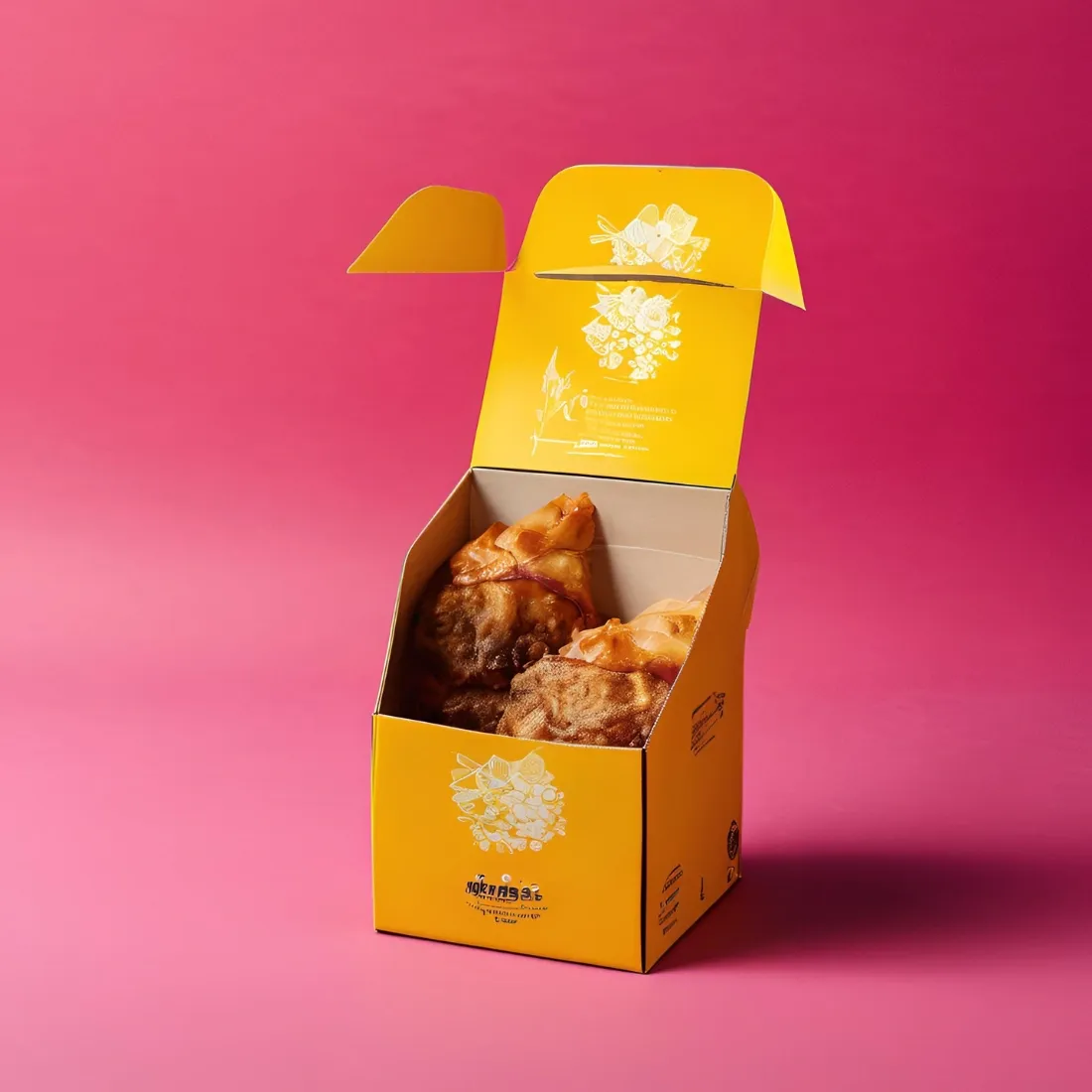
Product Boxes
- Most popular style for online brands
- Full-color and black ink printing
- Order a sample to try
- Custom inserts available
Product Packaging
- Most popular style for online brands
- Full-color and black ink printing
- Order a sample to try
- Custom inserts available

Tin Containers
- Most popular style for online brands
- Full-color and black ink printing
- Order a sample to try
- Custom inserts available
Rigid Boxes
- Most popular style for online brands
- Full-color and black ink printing
- Order a sample to try
- Custom inserts available


Quantities starting at 1


Specify Custom Boxes by Product and Use Case
Custom boxes should never be selected by appearance alone. They are specified based on how the product moves, where it is displayed, and how often it is handled.
Before choosing a customized box, buyers define:
- Product dimensions and weight
- Whether the box is shipped, shelved, or handed directly to customers
- Handling frequency during fulfillment or retail stocking
- Brand presentation requirements
A box designed for retail display fails if used for shipping. Shipping box looks excessive when used as a gift box. Correct specification ensures protection, controls packaging spend, and prevents redesigns later.
Compare Custom Box Structures Before Ordering
Box structure determines strength, assembly method, and cost efficiency.
The most common custom product box structures include:
- Folding cartons used for retail products that require efficient assembly and flat storage
- Rigid boxes used when shape retention and presentation stability are required
- Magnetic closure boxes used for reusable packaging and controlled opening experiences
- Corrugated boxes used for shipping, storage, and transit protection
Each structure serves a different commercial role. Choosing structure early prevents mismatches between packaging function and real-world use. These structures form the foundation for sub-categories such as Gift Boxes, Rigid Boxes, Magnetic Closure Boxes, and Corrugated Boxes.

Design Product Boxes Now

Design Product Boxes Now

Design Product Boxes Now
Custom Boxes Resources and Articles
Select Box Materials Based on Strength and Volume
Material selection determines durability, freight cost, and unit pricing at scale.
Common material systems include:
- Paperboard and cardboard for lightweight retail packaging
- Kraft board for recyclable and natural-finish packaging
- Corrugated board for shipping protection and stacking strength
- Rigid board (chipboard) for premium presentation and fixed structure
Material thickness and board grade are adjusted based on:
- Product weight
- Drop and compression risk
- Shipping distance
- Order volume
From a manufacturing standpoint, the goal is material efficiency, not excess. Overbuilt boxes increase cost without adding protection.
Plan Printing Around Quantity and Reorders
Printing should be planned around how often boxes will be reordered, not just initial appearance.
Common printing methods include:
- Offset printing for consistent color across large runs
- Digital printing for shorter runs and faster revisions
- Specialty techniques such as embossing or foil stamping for branding elements
Printing decisions affect:
- Color consistency across future orders
- Production speed
- Cost per unit at scale
Design tools alone do not prevent printing issues. Production-aligned print planning reduces risk and improves reorder accuracy.
Add Finishes Only When They Solve a Problem
Finishes are applied to address handling conditions, not just aesthetics.
Common finishing options include:
- Matte or gloss lamination to protect printed surfaces
- Soft-touch coatings for tactile control
- UV coatings for abrasion resistance
- Aqueous coatings for balanced durability and recyclability
Finishes are selected based on:
- Friction during packing and transit
- Shelf life before use
- Storage and stacking conditions
Unnecessary finishes increase costs and complicate recycling. Effective finishing improves durability without over-engineering.
Use Custom Boxes Across Multiple Packaging Needs
Most brands do not rely on one box type.
Customized product boxes are commonly used across:
- Retail product packaging
- Gift boxes and promotional kits
- E-commerce and subscription shipping
- Corporate branding and event packaging
- Wholesale distribution
For example, luxury packaging often combines rigid structures with refined finishes, while corrugated boxes focus on protection and logistics. Using one manufacturer for multiple box types improves consistency and simplifies supply management.
Order Custom Boxes for Wholesale and Repeat Supply
Wholesale custom boxes prioritize repeatability and cost control.
Wholesale production focuses on:
- Locked specifications
- Stable material sourcing
- Consistent print calibration
- Freight-efficient packing
Minimum order quantities vary by structure and print method. Folding cartons and corrugated boxes generally support lower MOQs, while rigid and magnetic boxes require higher volumes due to manual assembly. Repeat orders benefit from reduced setup time and improved pricing stability.
Understand the Manufacturing Timeline Before You Buy
Printed Custom boxes with logo production follows a defined manufacturing workflow:
- Specification confirmation and dieline setup
- Material selection and sampling
- Print proofing and approval
- Production and finishing
- Quality inspection and packing
Typical production timelines range from 12 to 14 business days after final approval. Complex structures or specialty finishes may extend lead times. Clear approvals protect delivery schedules and reduce production risk.
Work with a US Based Custom Box Manufacturer
Custom boxes are not software-generated products. They are manufactured goods with real constraints.
Urgent Custom Boxes operates as a US Based custom box & packaging manufacturer, supporting:
- Structural engineering
- Material selection
- Print feasibility
- Repeat production planning
This approach supports long-term packaging systems rather than one-off orders.
More than 1,000,000 business professionals trust us for their printing needs

24/7 customer service

24/7 customer service

24/7 customer service
Frequently Asked Question (Custom Boxes)
What are custom boxes used for?
Custom boxes are used for retail packaging, shipping protection, gifting, branding, and wholesale distribution where size, strength, and presentation matter.
What type of custom box should I start with?
Start by defining how your product is handled. Retail products often use folding cartons, while shipping requires corrugated boxes. Presentation-focused items often require rigid structures.
How do custom boxes affect shipping costs?
Box size, material weight, and structure directly impact freight costs. Right-sized boxes reduce dimensional weight charges and material waste.
Can one supplier handle retail and shipping boxes?
Yes. Many brands use a single manufacturer for folding cartons, rigid boxes, and corrugated boxes to maintain consistency and simplify reorders.
When should I switch to wholesale custom boxes?
Wholesale production makes sense when specifications are stable and repeat orders are expected. Higher volumes reduce unit cost and improve production efficiency.